
Estonia stuns host Finland 3-2 in Tampere: Finland loses top spot in Pool C, and the price is paid in the tie-break
**Câu trả lời cốt lõi**: Estonia đánh bại chủ nhà Phần Lan 3-2 (22-25, 25-21, 25-22, 20-25, 15-11) tại Nokia Arena, Tampere, khép vòng bảng Pool C giải vô địch bóng chuyền nam châu Âu 2026 và khiến Phần Lan mất ngôi đầu bảng vào tay Bỉ. **Dữ kiện chính**: - Bỉ đã thắng Serbia 3-0 (25-19, 25-21, 25-16) trước đó cùng ngày để chiếm ngôi đầu bảng C. - Thứ tự chung cuộc bảng C: Bỉ 13 điểm, Phần Lan 11, Serbia 7, Đan Mạch 7, Estonia 5, Hà Lan 2. - Joonas Jokela có trận thứ 100 cho đội tuyển Phần Lan; Olivia Kunnari, cháu của HLV Olli Kunnari, hát quốc ca. - Niko Suihkonen vào thay Nooa Marttila và ghi 7 điểm trong hiệp bốn mà Phần Lan thắng 25-20. - Hai nguồn ghi điểm không khớp: Volleytimes.com ghi Lõhmus 24, Teppan 16; WorldofVolley ghi Teppan 24, Lõhmus 16. **Nguồn**: WorldofVolley, volleytimes.com, volleyweek.bg, Volleyball Times — sự kiện ngày thi đấu vòng bảng, tháng 9 năm 2026. **Hỏi đáp liên quan**: - Hỏi: Estonia có đi tiếp không? Đáp: Không, Estonia kết thúc vòng bảng với 5 điểm và đứng thứ năm bảng C. - Hỏi: Phần Lan gặp ai ở vòng 16 đội? Đáp: Phần Lan gặp Hy Lạp tại Turin vào ngày 20 hoặc 21 tháng 9, theo WorldofVolley. - Hỏi: Ai là người ghi điểm nhiều nhất trận? Đáp: Hai nguồn không thống nhất giữa Timo Andre Lõhmus và Teppan, nên chỉ số cần đối chiếu biên bản chính thức của ban tổ chức.
The final point landed at 15-11. The scoreboard at Nokia Arena read Estonia 3, Finland 2, and it took a long moment for the noise in the stands to settle. Nine thousand eight hundred and thirteen spectators filled the arena in Tampere on Thursday, according to figures released by the organisers, and most of them had come to watch the hosts share the top of Pool C with Belgium. They went home with second place instead.
Estonia won 3-2, with set scores of 22-25, 25-21, 25-22, 20-25 and 15-11. A match that ran on a win-loss-win-loss-win rhythm — the kind I still call a piece of music with three tempo changes. Volleyball is a sport of forgotten silences: people remember the finishing spike, but the result is usually decided two or three seconds before the ball leaves the hand — in the setter's gaze, in the placement of a wing spiker's feet, and in whether a group still believes in its own system.
I spent most of that night cutting the match into data clusters. At 58, I have learned that the truest match happens off the court — in the silence between two points, when a team decides what it is going to believe in.
Context: a pool already shaped before the first serve
Belgium had finished their work earlier in the day, sweeping Serbia 3-0 (25-19, 25-21, 25-16) to claim first place in Pool C. By the time Estonia and Finland walked into Nokia Arena, the hosts' arithmetic was brutally clear: only a win would keep them level with Belgium at the top.
This is the 2026 European Men's Volleyball Championship, a 24-team tournament, and the Tampere match closed the entire group stage before the round of 16 begins this weekend. Pool C finished in this order: Belgium 13 points, Finland 11, Serbia 7, Denmark 7, Estonia 5 and the Netherlands 2.
The two-point gap between Belgium and Finland is the whole story of this pool. Estonia ended the group stage with just 5 points, but those 5 points came from two wins — one of them against the host nation. It is the kind of paradox a standings table never fully explains: a team can finish fifth and still be the team that decides who finishes first.
Days earlier, Estonia had recorded their first victory of the tournament, 3-1 over the Netherlands (27-25, 25-22, 18-25, 25-23), in which two consecutive aces from Timo Andre Lõhmus at 22-22 in the fourth set proved decisive. I noted that detail because it explains everything that happened in Tampere: Estonia did not win by luck. They won by choosing the right moment to strike.
Set one: Finland serving as a statement
Finland took the opening set 25-22, and how they took it matters. The Marttila brothers and Joonas Jokela kept finding openings in Estonia's defence. This was not brute-force attacking against the block. It was probing attacking: hitters aiming at the seam between two blockers, exploiting the lag in the defensive line's footwork.
Joonas Jokela stood out in that set, and not only for the points. The Tampere match was his 100th appearance for Finland. For an international-level outside hitter, 100 caps is a milestone you only reach when body and mind both survive years of international rhythm. I keep a separate tracking sheet for milestones like this, because they usually coincide with a player shifting from relying on physicality to relying on reading the game.
Before the first serve, Olivia Kunnari — niece of Finland head coach Olli Kunnari — sang the national anthem. That detail appears in no statistic sheet, and I recorded it because big matches are always built from two layers: the technical layer a computer can count, and the ceremonial layer only the people inside the arena can feel. A group energised by that second layer tends to start very strongly. Finland did exactly that.
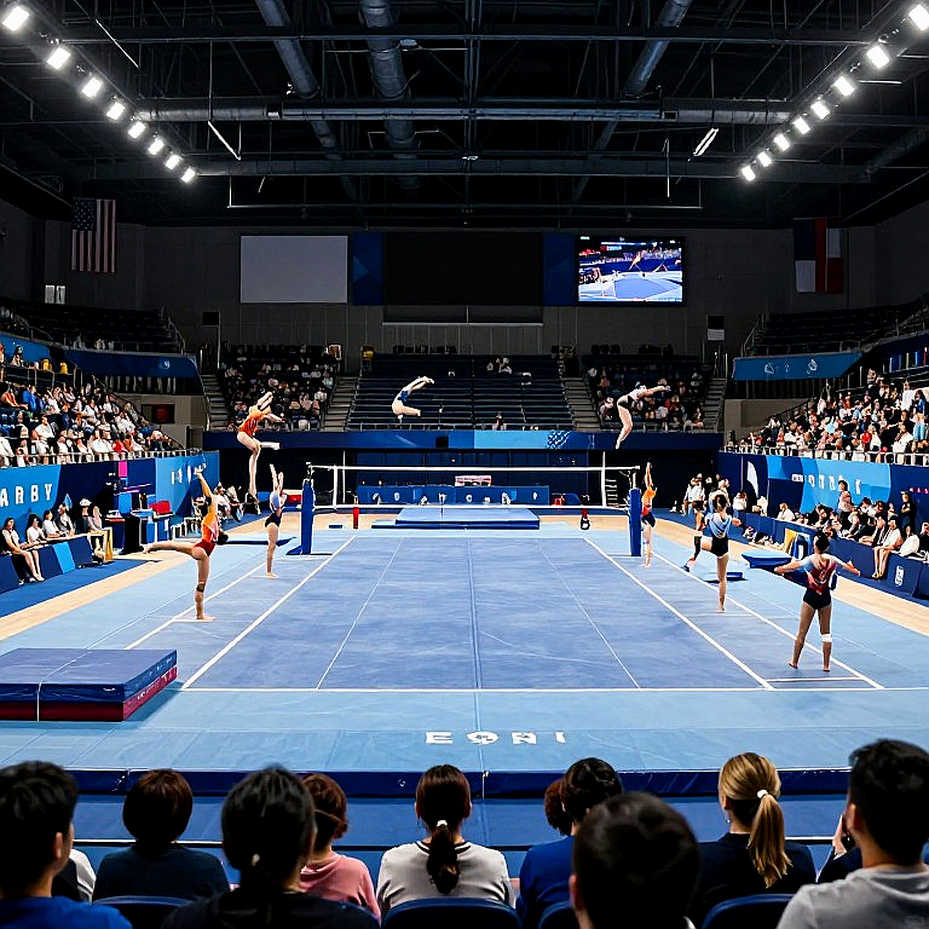
But Estonia did not collapse. That was the first signal that made me rewatch the footage at slower than real speed.
Sets two and three: Estonia changes tempo, and where the change comes from
Estonia took the second set 25-21, and the name at the centre of it was Timo Andre Lõhmus. He opened a 16-11 lead before closing it out. I have to say something about that name, because I have a professional habit I cannot shake.
Timo Andre Lõhmus. The letter õ in Estonian is a vowel that does not exist in Vietnamese, sitting between two familiar sounds, pronounced with more lip rounding than either. I once mispronounced a player's name and paid for it with a nickname that haunted an entire World Cup — 'Mr Modrik' — after saying Luka Modrić's name wrong three times in one half, despite having written it correctly in 47 analytical pieces beforehand. That lesson taught me that a name can be smeared, but its rhythm cannot. Since then, every foreign name in my copy carries a pronunciation note, and I record myself reading the piece three times before filing.
Back to the second set. Estonia moving 16-11 ahead and holding the gap to the end is a pattern familiar from my notebooks: a team that wins the second set after losing the first tends to widen the gap between points 14 and 18 and then tighten up with tactical serving, rather than trying to accelerate the attack. This way of holding tempo costs less energy and preserves the block structure — exactly what Estonia needed for the remaining sets.
The third set is the one I rewatched most: Estonia won 25-22, but Finland nearly turned it with a rare serving run. Luka Marttila fired three consecutive aces to level at 19-19. Three straight aces at this level is a statistically abnormal event: it requires power, precision into the sideline zone, and a momentary hesitation in the opponent's reception.
For many teams, that moment is the breaking point. Estonia lost the advantage, lost the tempo, lost the voice in the arena — the whole building had just erupted.
What Estonia did next is what made me file them under 'teams that can hear the rhythm': they did not retaliate with risky serving. They retaliated with blocking. Lõhmus — playing opposite — delivered a decisive block for a 22-20 lead, and from there they closed the set 25-22.
I once coded 26 rounds of SHB Da Nang's season into my own dataset, and the biggest lesson from that dataset was this: between points 19 and 23, a team's win rate rises most sharply when it records at least one blocking point in that window. Aces create excitement. Blocks create collapse. Estonia chose the second weapon, and that was the choice of a team that had read the moment correctly.
Set four: a move from the bench
Finland refused to fold. They won the fourth set 25-20, and the turning point came from the bench: Niko Suihkonen came on for Nooa Marttila and scored seven points.
This is the most tactically interesting detail of the whole match. Seven points from a mid-match substitute, in the set the home side had to win to stay alive — that number says two things. First, Finland's squad depth was sufficient to change personnel without losing attacking structure. Second, the coaching staff had read that Estonia were handling the familiar attacking patterns well, and that a newer pattern was needed.
I have written before that return-to-play schedules are controlled by a team's PR operation, and that 'wait until the weekend' usually means the problem is not solved. In Tampere, the substitution was tactical rather than injury-driven, and it worked immediately. That is the kind of change I always flag separately in my notebook: a substitution designed to create a variable, not to fill a hole.
The fourth set ended 25-20 for the hosts. The match went to a tie-break. Nokia Arena entered the state I call 'a taut-but-slack string' — the singing had stopped, leaving only rhythmic clapping and unusually long silences between rallies.
Set five: 15-11, and the real reason
Estonia closed it out 15-11. Looking at the score, it is tempting to conclude that Finland ran out of fuel. I do not read it that way, and this is where I part company with the popular interpretation.
In a tie-break, a team losing its rhythm usually shows three symptoms: the first pass travels shorter than normal, hitters contact the ball lower, and the block takes half a beat too long to move. If Finland had truly run out of fuel, all three would appear together. What I saw on the footage was the third symptom most clearly, with the first two appearing only briefly at the start of the set. That means Finland lost because they lost their blocking structure, not because they lost their legs.
And when a team's block is half a beat late, the opponent's opposite hitter is the biggest beneficiary. Lõhmus benefited exactly that way.
After the match, Lõhmus said Estonia badly wanted to win again in front of the crowd, gave everything it had, and that he was proud of his team. Finland captain Antti Ronkainen acknowledged that Estonia played well, wanted the fifth set and fought hard to the end, adding that Finland now turns its attention to its next opponent.
Put those two statements together and the picture is clear. One side talks about desire — a mental state. The other talks about the opponent and the next step — a professional state. At elite level, the team talking about the next step is usually the team that has already processed the defeat. The team talking about desire is usually the team that has just discovered it can compete with a side rated above it.
Contrarian angle: when two sources disagree
There is one detail from this match I have to raise, because it goes directly to how we trust data.
Volleytimes.com recorded Lõhmus finishing with 24 points and Teppan adding 16. WorldofVolley credited Teppan with 24 points and Lõhmus with 16.
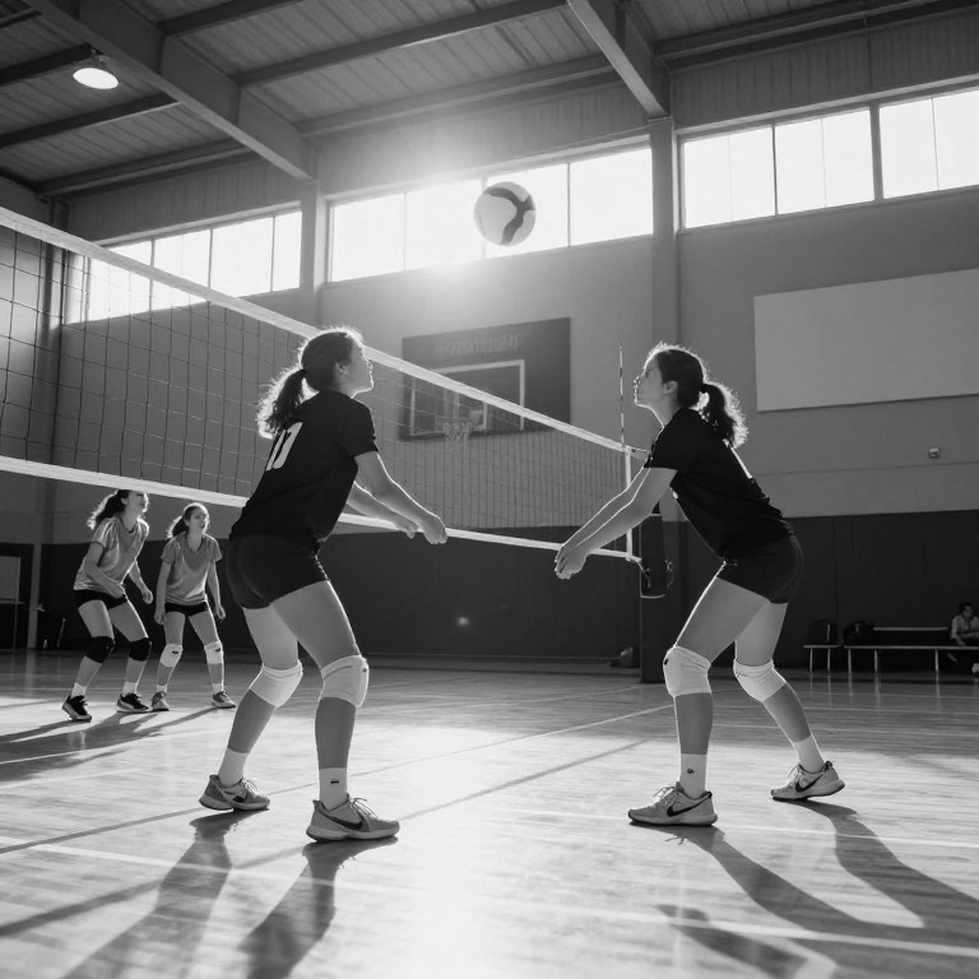
Two reputable outlets, two completely inverted scoring lines for the same match.
For a general reader this is a minor glitch, easily ignored. For someone who does this for a living, it is serious, because the rest of the analysis depends on who carried the scoring load for the winning side. If Lõhmus scored 24, the story is about an opposite hitter exploding on the day his team made history. If Teppan scored 24, the story is about a group spreading the load with an opposite playing a supporting role — a completely different tactical meaning.
I have not had the chance to cross-check the official organiser's scoresheet, so in this piece I record both numbers and state clearly which source says what. Transfer rhythm never lies; people just mishear it. In this case, I decline to pick a rhythm before I have heard enough of it.
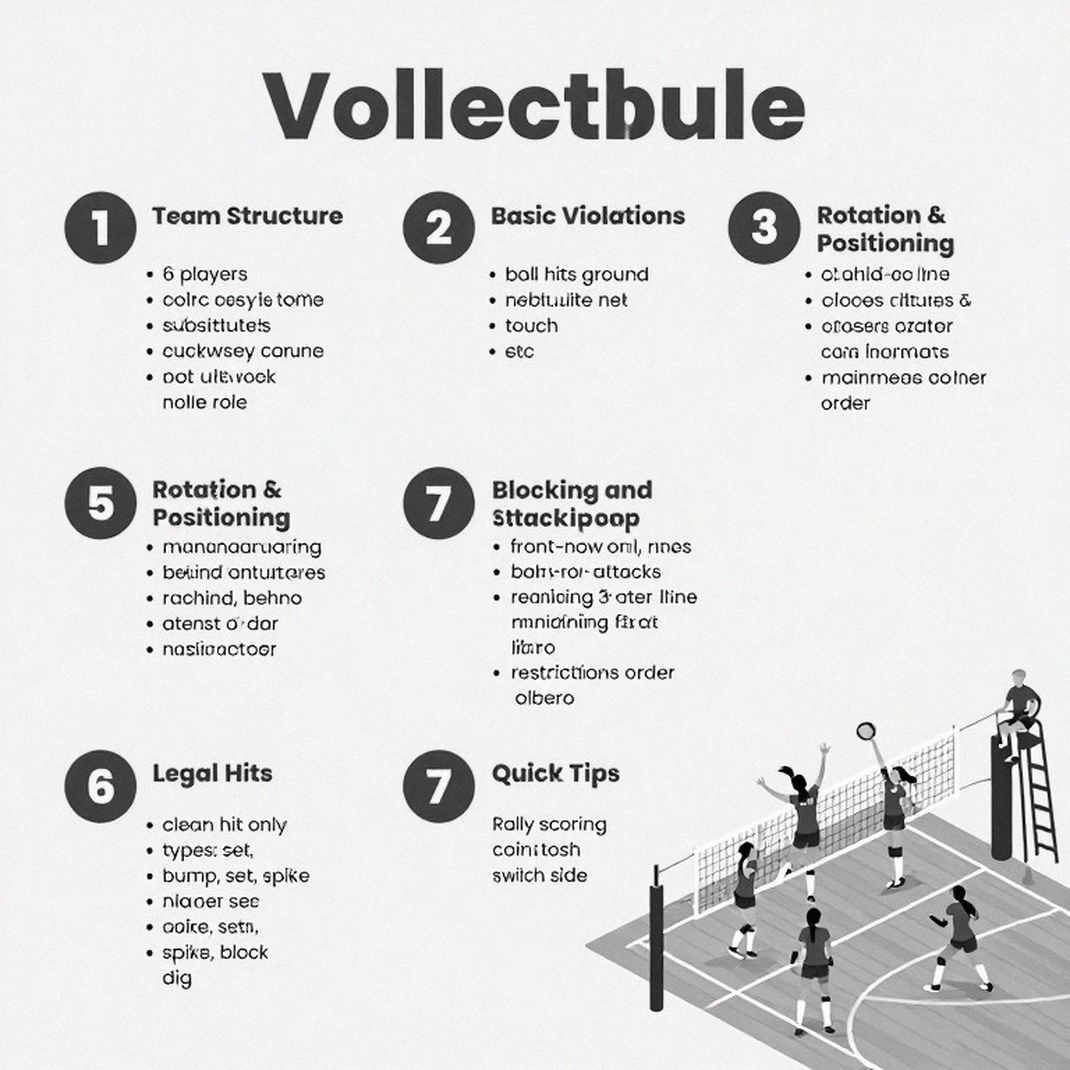
What matters is that both sources agree on the essentials: Estonia won 3-2, the tie-break finished 15-11, and Finland lost top spot in the pool. When sources diverge on detail but agree on structure, I trust the structure and wait for more data on the detail. That discipline came out of 189 silent days, when football and volleyball both stopped and I sat in the archive rewatching hundreds of old matches. One hundred and eighty-nine silent days taught me to hear a match with my eyes.
Second contrarian angle: Estonia's 5 points and the limits of a table
There is one reading of Tampere I consider wrong, and it is fairly widespread: Finland lost because of home-crowd psychology, the pressure to win, the weight of expectation.
That reading is convenient, but it ignores the fact that Estonia had prepared for exactly this kind of match. Look at their campaign: they beat the Netherlands 3-1 after trailing in the fourth set and settled it with two consecutive aces at 22-22. They beat Finland 3-2 after losing the first set and losing the fourth, settling it with a block in the third and with structure in the fifth. Two matches, two descents into must-decide territory late in a set, two wins.
That is not the profile of a lucky team. It is the profile of a team with a system for handling pressure.
And the final table still reads Estonia 5 points, fifth of six. A table counts accumulation; it does not count the ability to withstand pressure. A team can finish fifth on accumulation and still be the only side in the pool to beat the host nation. I follow teams, but what I am really following is their pulse — and Estonia's pulse in Tampere was far stronger than the fifth place they were handed.
What comes next
The round of 16 begins on Saturday in Sofia and Turin.
Finland face Greece, and Belgium meet Czechia. Both matches take place in Turin on 20 and 21 September, according to WorldofVolley. In Sofia, Poland play Latvia and Germany face Bulgaria on 19 September; Ukraine-Romania and France-Portugal follow there on 20 September. Slovenia meet Serbia in Turin on 21 September, and Italy face Denmark the same weekend. The semifinals and medal matches will be held in Milan.
For Finland, second place in Pool C puts them in a bracket where every round is a miniature final. For Estonia, the tournament is over at the group stage — and they leave as the team that shaped the entire pool.
I will be watching Finland against Greece with one specific question: can their block recover the half-beat it lost in that tie-break in Tampere? If it can, the defeat to Estonia becomes reasonable tuition. If it cannot, it is a structural crack — and in knockout volleyball, structural cracks never heal on their own.
Volleyball does not reward the team that plays best in the first set. It rewards the team still standing at the fifteenth point of the last one. Estonia stood firm in Tampere. The question for Finland is whether they will stand firm in Turin — or whether, once again, a forgotten silence will decide their fate.